Labelling Gluten

Gluten is a proteinic fraction present in different cereals such as wheatrye, or barley (Triticum species), even though cross-contamination it can also be found in oat. This protein triggers the symptomatology of coeliac disease in people who suffers from it, an illness with immunologic basis.

If a client wonders whether a food product contents gluten or not, he must read the Ingredients list. It should be indicated, in a different typography, the cereal present in the food and usually the word “gluten”. For instance: wheat flour (gluten).

Information on gluten content must always be provided to the consumer, before his purchase, either by the product’s label, or through internet if it is being sold online, in a sign if it is a bulk sell, and so on.

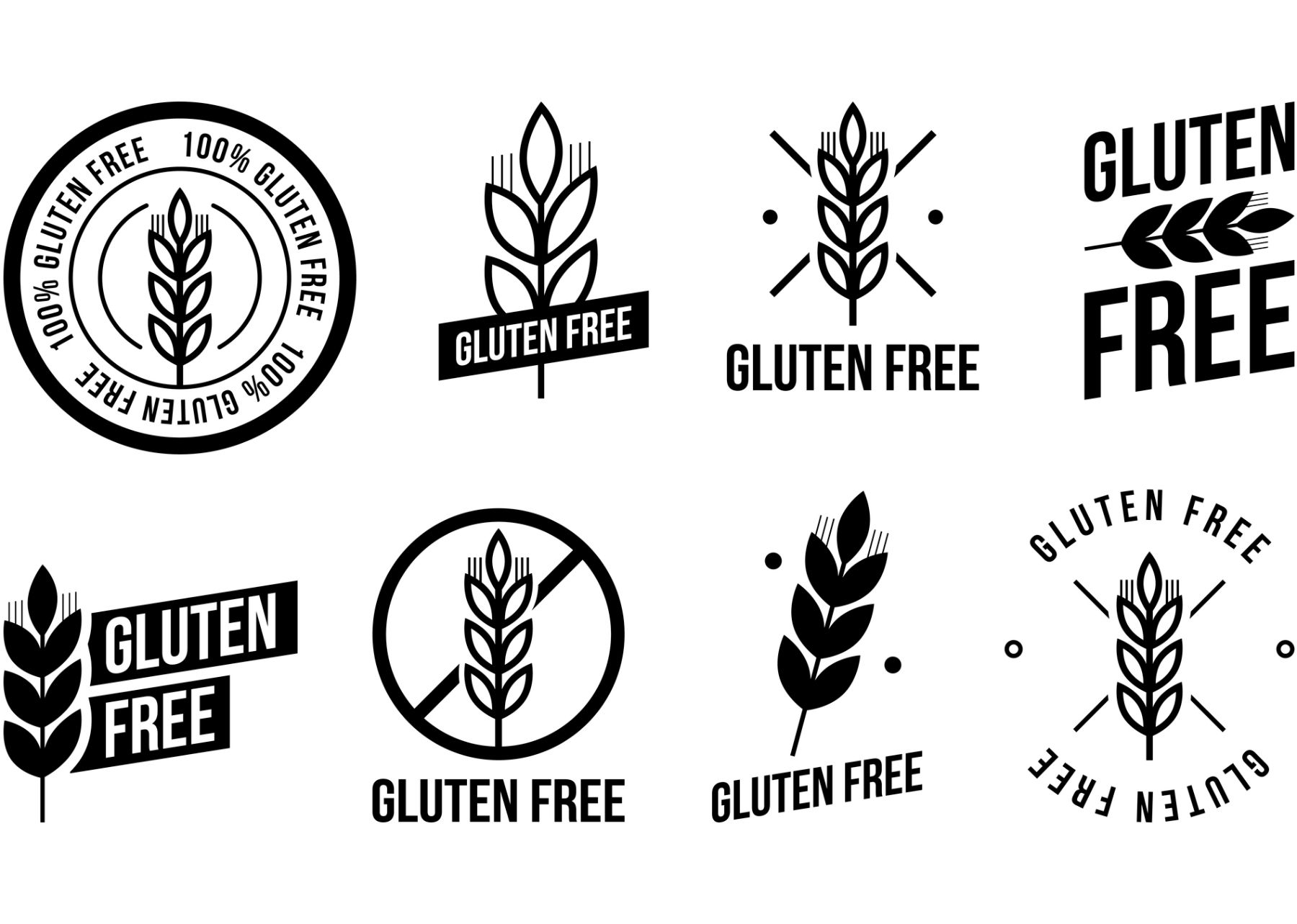
Regulation nº 828/2014 approves the statements “GLUTEN-FREE” and “VERY LOW GLUTEN” to be used in food products. We will analyze them in detail:

GLUTEN-FREE: it may only be used where the food as sold to the final consumer contains no more than 20 mg/kg of gluten. It can only be used if there are other products at the same category that do contain gluten, such as sauces, charcuterie, etc.

VERY LOW GLUTEN: it may only be made where the food, consisting of or containing one or more ingredients made from the cereals mentioned above have been specially processed to reduce the gluten content, contains no more than 100 mg/kg of gluten in the food as sold to the final consumer.

In the food supplements sector, as there are some products inside this category that do contain gluten, the references may be employed, but keeping in mind to ease the consumer’s understanding.

Etiquetando el gluten

El gluten es una fracción proteínica presente en cereales como el trigocenteno o cebada (especies Triticum), aunque por contaminación cruzada se puede encontrar también en la avena. Esta proteína es la desencadenante de la sintomatología en las personas que sufren celiaquía, enfermedad de base inmunológica.

Para saber si un producto contiene gluten, debemos mirar siempre su lista de Ingredientes, donde el cereal en cuestión estará indicado con una tipografía diferente, y voluntariamente se añadirá la palabra gluten, como, por ejemplo: harina de trigo (gluten).

La información sobre el gluten de un producto debe de facilitarse al consumidor antes de su compra, ya sea mediante etiquetado o bien por internet si la venta es a distancia, en carteles si la venta es a granel, etc.

El Reglamento nº 828/2014 aprueba las menciones “SIN GLUTEN” y “MUY BAJO EN GLUTEN” para usar en los productos alimentarios. Las vamos a analizar con más detenimiento:

SIN GLUTEN: cuando el producto contenga menos de 20 mg gluten/kg de producto final. Solo podrá usarse si existen otros alimentos de la misma categoría que sí lleven gluten, como salsas, embutidos, etc.

MUY BAJO EN GLUTEN: solo podrá usarse en alimentos que contengan alguno de los cereales mencionados anteriormente, pero que se hayan elaborado específicamente para disminuir su contenido en gluten (máx. 100 mg/kg de producto final).

En caso de complementos alimenticios, como existen productos dentro de la categoría que llevan gluten, se podría usar la mención, pero siempre demostrando que esta es verídica y facilitando la comprensión al consumidor.