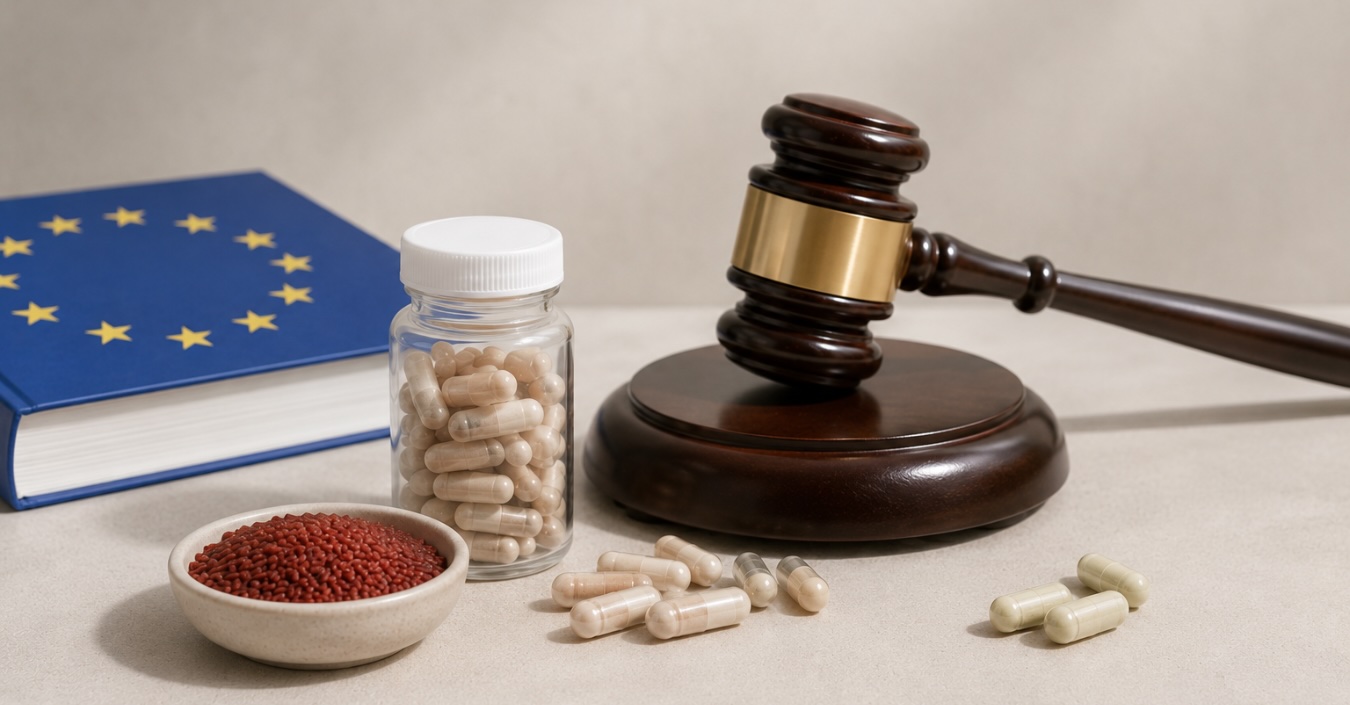
Prohibición del dióxido de titanio

Después de varias controversias entre la ANSES (Agencia Francesa de Seguridad, Salud Ambiental y Ocupacional), la EFSA y Comisión Europea (CE), finalmente Francia ha decidido prohibir el aditivo autorizado: Dióxido de Titanio (E-171), con una publicación al Diario Oficial Francés. Tal hecho se determinó el pasado 25 de Abril, con el fin de prohibir el uso, la importación y la comercialización del dióxido de titanio y cualquier alimento que lo contenga. Esta medida fue notificada un día después a la CE.

La conclusión francesa se basa en distintos estudios recopilados que, a pesar de la opinión de la EFSA sobre que el aditivo no presenta riesgos de seguridad, apuntan a una posible toxicidad oral, y sobre todo en un estudio realizado por INRA (Instituto Nacional Francés de Investigación Agrícola) en 2017 que destaca ciertos riesgos potenciales de carcinogénesis de las nanopartículas.

Actualmente la Comisión Europea se encuentra en un estado de emergencia. A partir de ahora, debe discutirse en cada uno de los Estados Miembros una decisión definitiva.

¿Debe prohibirse, o no, dicho aditivo?

Varias entidades europeas de la industria de los Complementos Alimenticios consideran negativa la decisión de privar su uso, al tratarse de un aditivo muy utilizado en el sector.

La decisión final está por determinar. Por lo que a nosotros nos atañe, nos mantendremos informados por cualquier cambio o novedad que se produzca.

Titanium Dioxide Prohibition

After several controversies between the ANSES (French Agency for Food, Environmental and Occupational Health and Safety), the EFSA and the European Commission (EC), France has finally decided to ban the authorized additive: Titanium Dioxide (E-171), with a publication in the French Official Journal. Such fact was determined on April 25, in order to prohibit the use, importation and commercialization of titanium dioxide and any food that contains it. This legal action was notified a day later to the EC.

The French resolution is based on several studies compiled, that point to possible oral toxicity of the additive, despite EFSA’s opinion that Titanium Dioxide does not present any safety risks. One of the most significant is a study carried out by INRA (National French Institute of Agricultural Research) in 2017 that highlights potential carcinogenesis risks of its nanoparticles.

Currently, the European Commission is in a state of emergency. From now on, it must be discussed in each of the Member States to take the definitive decision.

Should this additive be prohibited or not?

Several European entities in the Food Supplements industry consider the decision to deprive its use negative, as it is an additive widely used in the sector.

The final decision is yet to be determined. As far as we are concerned, we await the final resolution constantly informing ourselves about the news of the matter.