Regulatory impact and alternatives for the food supplements sector
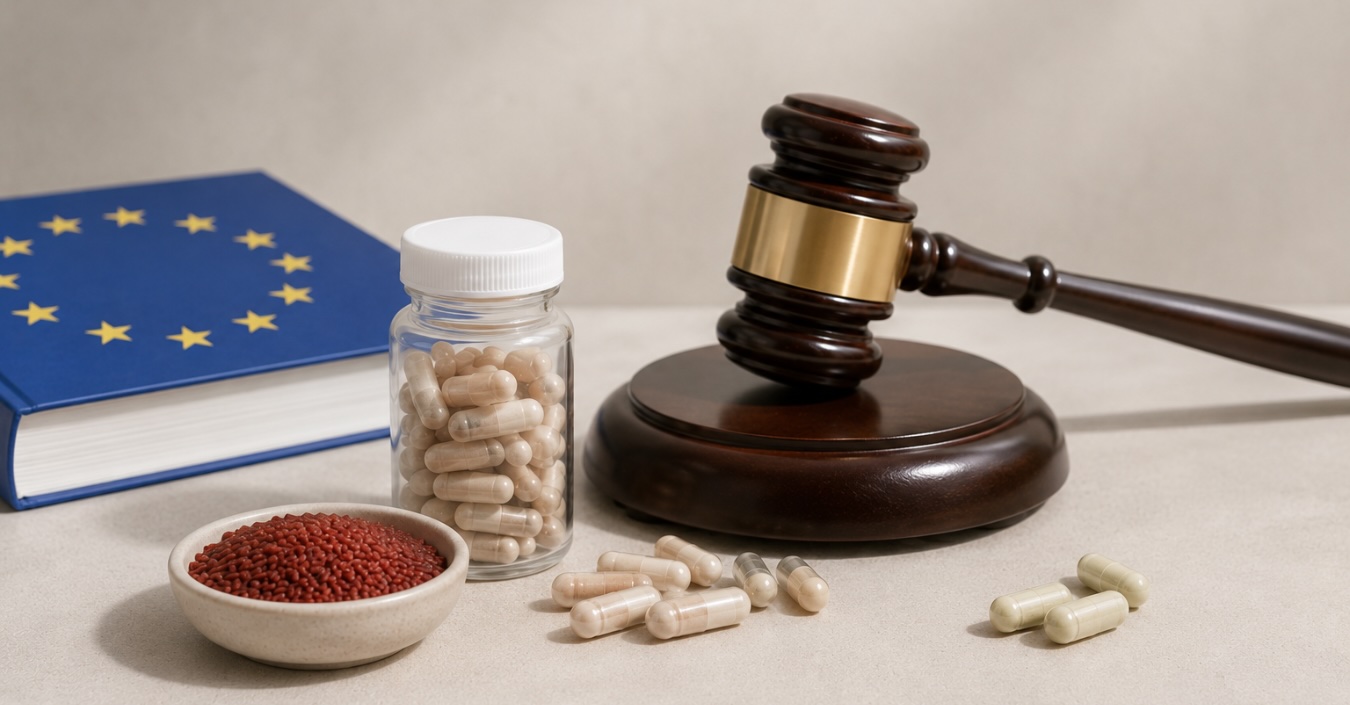
The European Union moves towards a complete ban on monacolins from red yeast rice. The European Union has approved the definitive ban on monacolins derived from red yeast rice in food supplements. Although the measure still needs to complete certain legislative procedures, it is expected to enter into force by the end of 2026, with a transitional period allowing products already placed on the market to continue being sold until the end of 2027. At Lleó Productos Naturales we are prepared to respond to these changes. Below are some key points.
Why are they being banned?
Monacolins, particularly monacolin K, act in a similar way to lovastatin, an active pharmaceutical ingredient used in medicines to reduce cholesterol. Although their effectiveness is widely recognised, European authorities consider that their use in food supplements presents health risks when consumed without medical supervision.
Assessments carried out by the European Food Safety Authority (EFSA) conclude that it is not possible to establish a completely safe daily intake and that adverse effects similar to those associated with statins may occur, including muscular, hepatic and gastrointestinal issues.
What does this mean for the sector?
Companies marketing products containing red yeast rice will need to prepare for the gradual withdrawal of these ingredients and adapt their formulations to comply with the new regulations.
The main recommended actions are:
- Review purchasing plans and stock management.
- Reformulate products using authorised ingredients.
- Update labelling, technical documentation and regulatory files.
Available alternatives
The disappearance of monacolins from the European market will encourage the use of other ingredients intended to support cholesterol management, including:
- Plant phytosterols and phytostanols. Help reduce intestinal absorption of cholesterol, contributing to lower LDL cholesterol levels.
- Berberine. Supports the removal of circulating cholesterol by increasing LDL receptor activity in the liver.
- Policosanols. Natural compounds that contribute to maintaining healthy lipid metabolism and are generally well tolerated.
- Artichoke extracts (Cynara scolymus). Support liver function and promote biliary excretion of cholesterol.
These alternatives make it possible to develop new formulations aligned with the European regulatory framework and with growing demand for cardiovascular health solutions.
Adapting today to continue growing tomorrow
The gradual withdrawal of monacolins in the European Union will represent a turning point for many brands in the food supplements sector. Although the transitional period will allow for gradual adaptation, anticipating change will be essential to maintain competitiveness and ensure regulatory compliance.
The positive news is that the market already offers alternative ingredients with a strong technical and commercial track record, making it possible to develop innovative formulations for cardiovascular care. Planning reformulation in advance will help minimise risks, optimise stock management and deliver solutions aligned with the new regulatory requirements.
At Lleó Productos Naturales we support our clients throughout the entire process: from raw material selection and new formula development through to regulatory guidance, manufacturing and market launch.
If your brand currently works with products based on red yeast rice and you would like to assess alternatives to adapt to the new European regulatory framework, our technical team can help you design the best strategy to ensure continuity across your product portfolio.
Further information: https://lleo.es